S. E. Ulrich, M. M. Sugg, S. M. Hatcher, J. D. Runkle
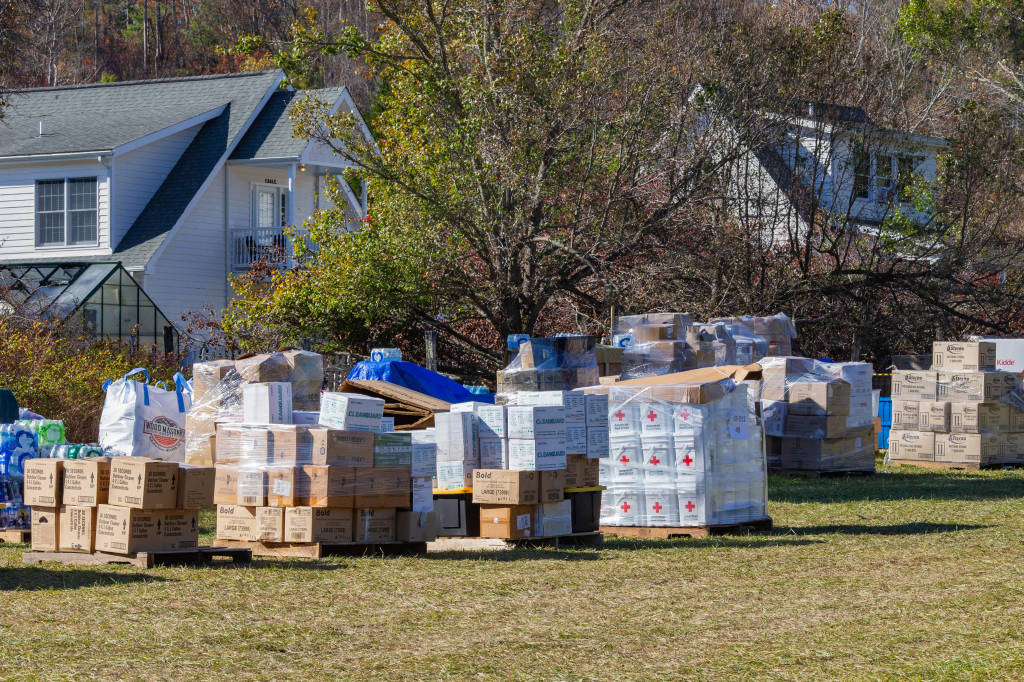
Climate change is increasing the frequency and severity of floods in North Carolina, tragically demonstrated by Hurricane Helene, which caused a rare 1-in-1000-year flood throughout the state’s western region. A community’s ability to prepare for, respond to, and recover from floods depends heavily on access to financial and material resources. Communities of color and low-income populations are more likely to live in flood-prone areas, making them especially vulnerable to the health and economic impacts of flooding. Flooding can also worsen chronic health conditions by disrupting access to healthcare services. This study maps flood risks across the state alongside neighborhood characteristics like racial and economic inequality and flood-sensitive health issues. The study identifies areas where high levels of inequality overlap with severe flood risks. Using spatial statistical analysis, these high-risk clusters are found mainly in North Carolina’s eastern coastal and western mountainous regions. These areas should be prioritized for resources and programs to help communities better adapt to the challenges of climate change.