Charlie Reed, Katie Tiger, Max Cawley, Margaret M Sugg, and J D Runkle
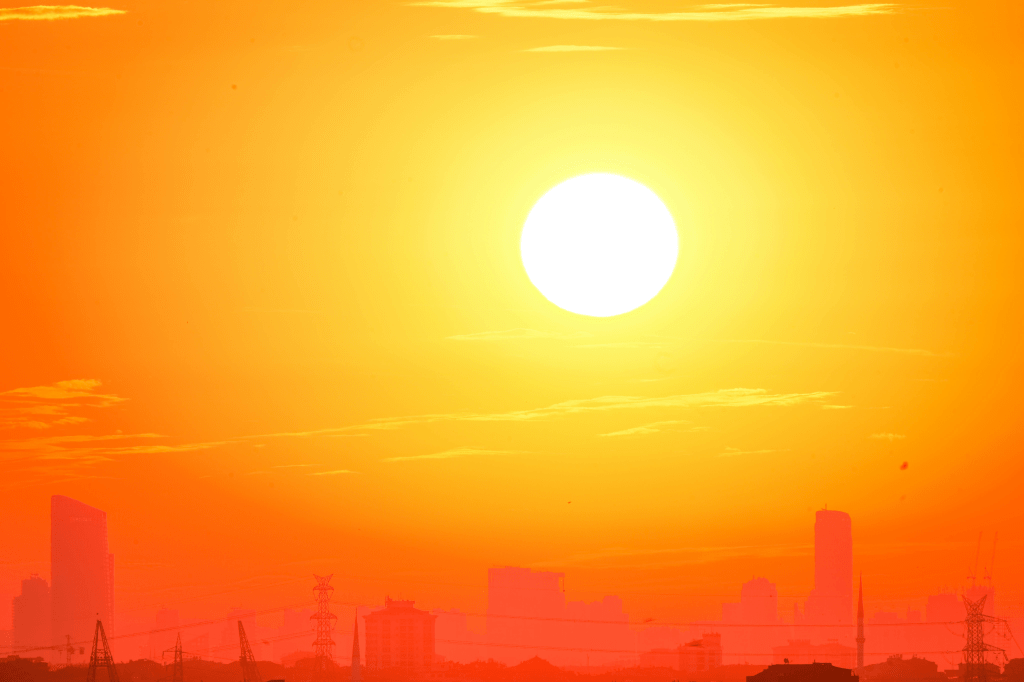
Air pollution and extreme heat events (EHEs) are intensifying with climate change, yet their health effects remain understudied in rural and Indigenous communities. The Eastern Band of Cherokee Indians (EBCI), a federally recognized tribe in the southern Appalachian Mountains, is uniquely vulnerable due to its rural geography, environmental exposures, and limited health surveillance. This study examined the independent and joint associations between short-term exposure to fine particulate matter (PM2.5) and EHEs with hospital visits for American Indian children. We conducted a time-stratified case-crossover analysis using 10 yr of admissions data (2008–2017) from the EBCI tribal hospital. Exposures were measured at the county level using downscaled climate-air quality model simulations and daily temperature at 4 km resolution. A poor air quality event (PAE) was defined as a daily PM2.5 average above 12 µg m−3. An EHE was defined as a daily average temperature exceeding the 95th percentile, based on 20-yr historical air temperature climatologies for each county. PAE exposure was associated with an increased risk of emergency department (ED) admissions for respiratory and mental illness among youth. Generally, EHEs were not associated with an increased risk of ED visits. Controlling for EHEs intensified the health effects of PAE. There was a significant risk of pneumonia (OR = 1.7 [95% CI: 1.1–2.7]), mood disorder (OR = 2.8 [95% CI: 1.1–7.2]), and upper respiratory illness (OR = 1.7 [95% CI: 1.1–2.9]) after PAE exposure, controlling for EHE. Findings highlight environmental health burdens among rural Indigenous youth and underscore the need for climate-adaptive interventions tailored to the unique risks faced by tribal communities.